Inspired by the suggestions arising in last week’s tutorial, I photographed seven selected object in the CSM photography studio using a macro lens, revealing previously unnoticed details of surface residue, dirt and grime. I then brought out these details further by editing the RAW files in Adobe Lightroom. Finally, in Photoshop, I extended this process of making visible by converting the images to black and white, adjusting levels, and inverting them.
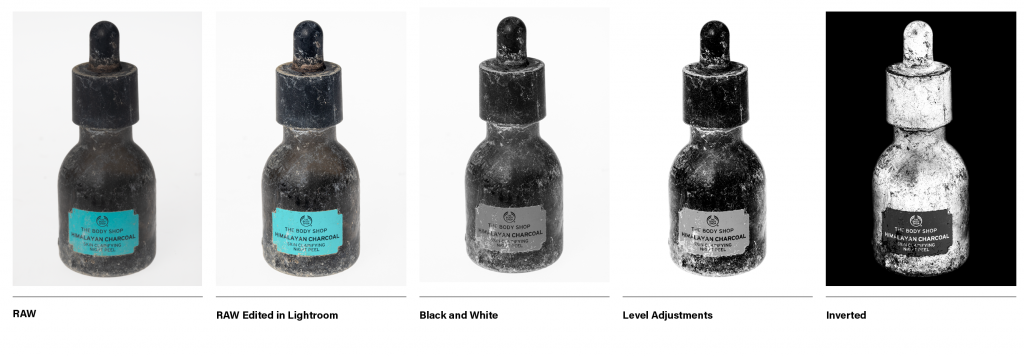
Please see the entirety of photographs here, though I have included a handful of selected photographs below to show the breadth of results arising from my experimentation:
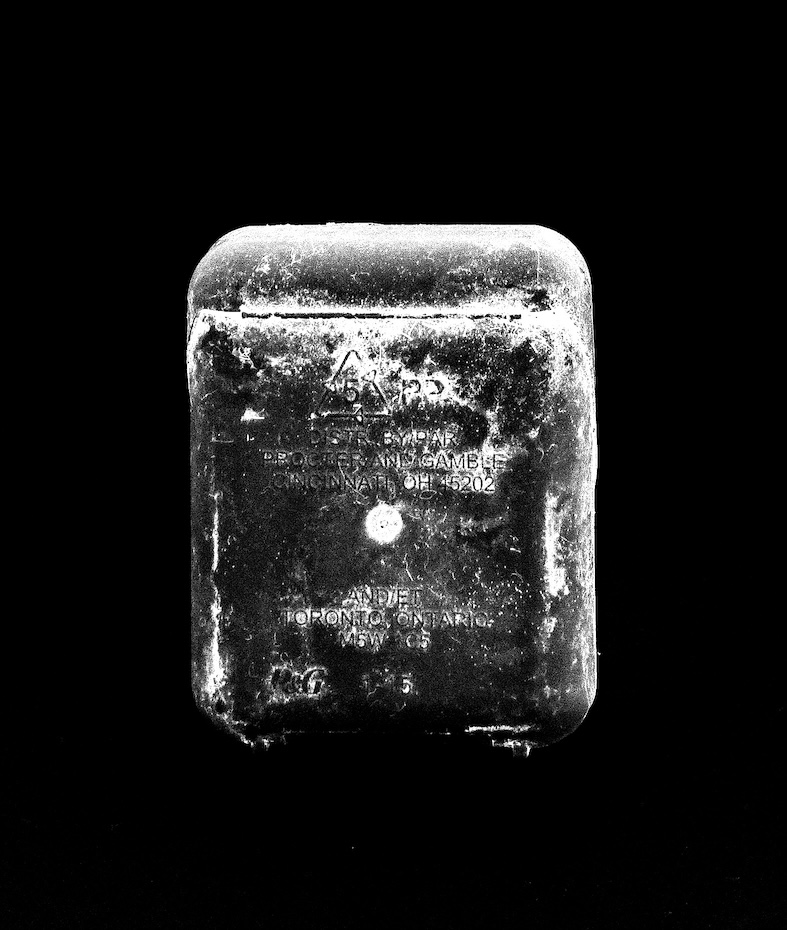
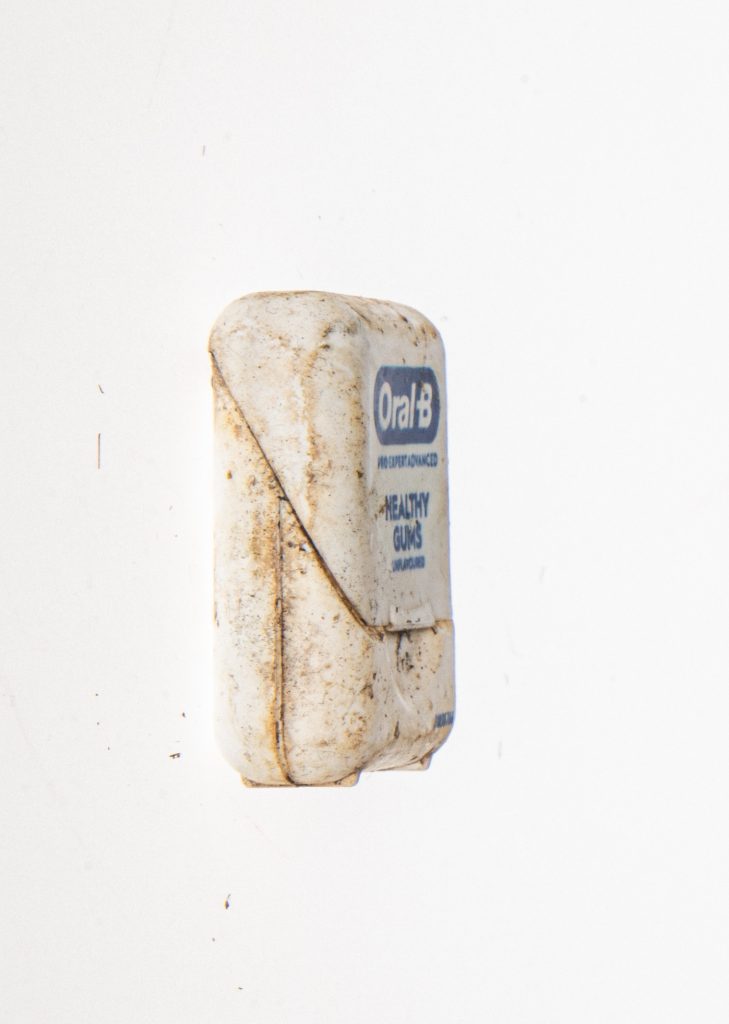
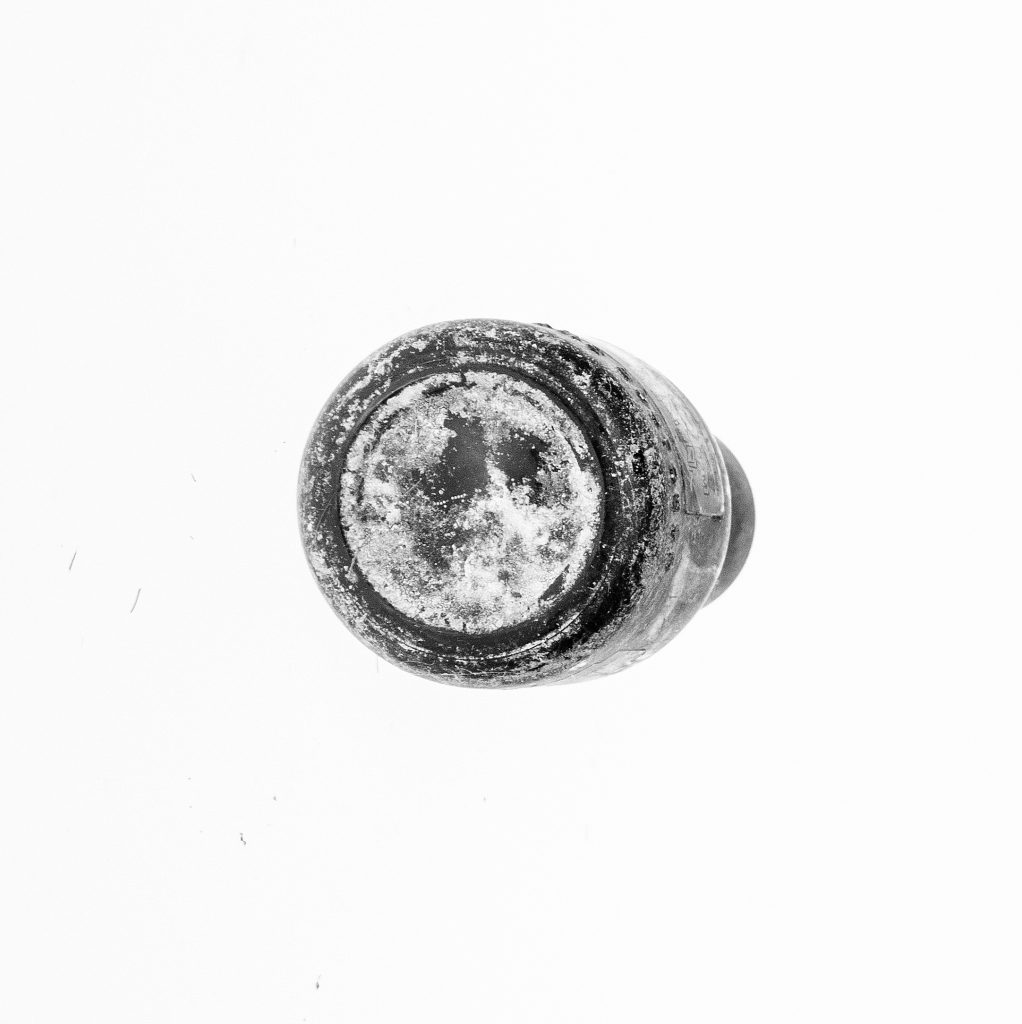
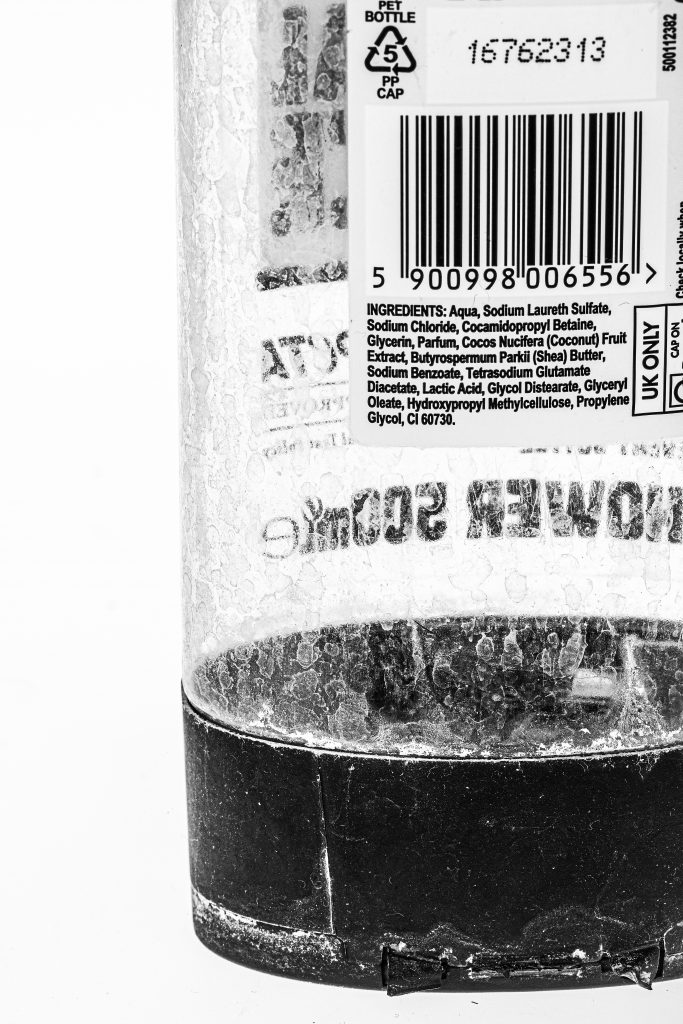
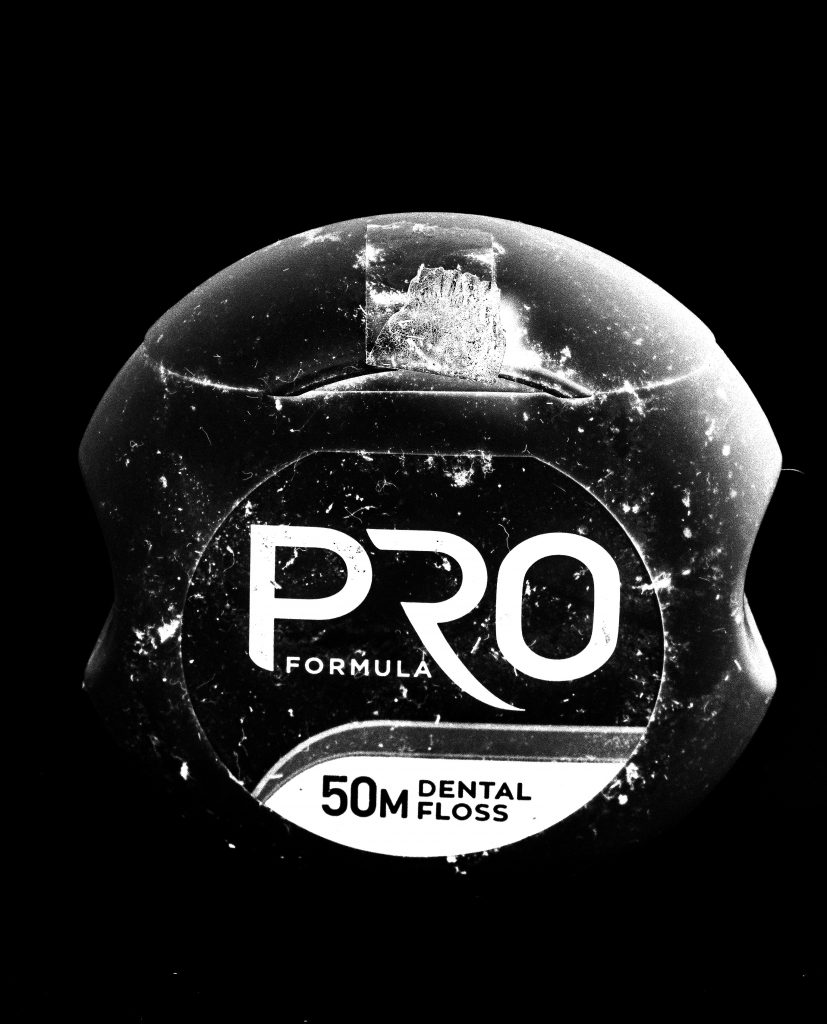
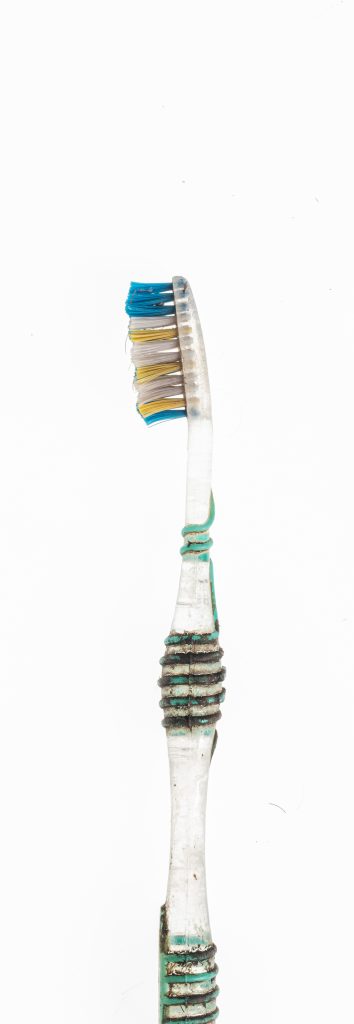
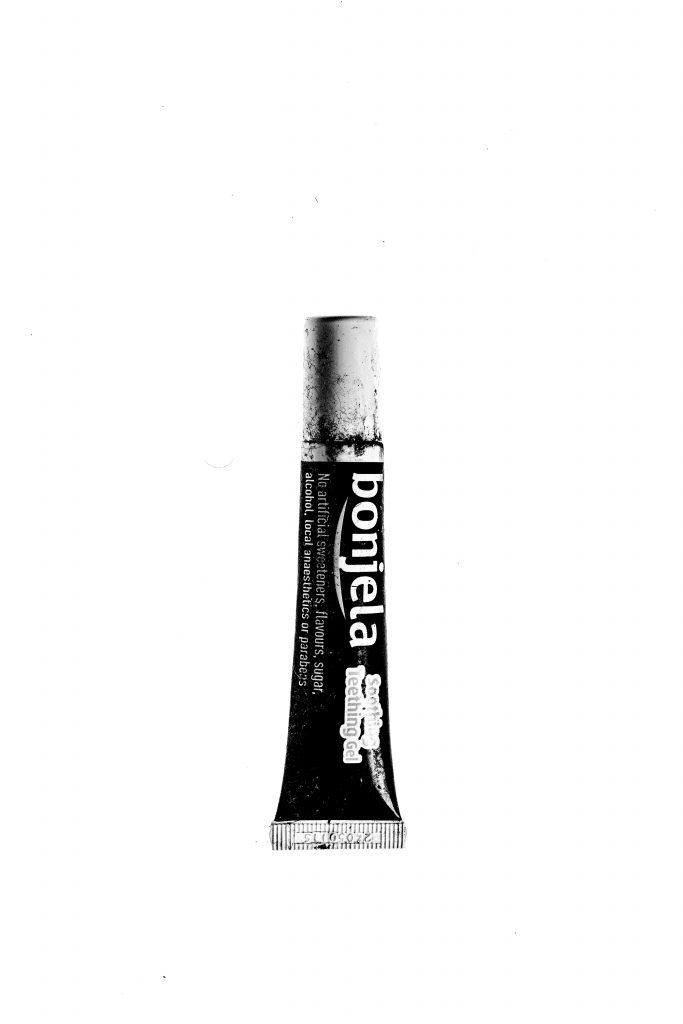
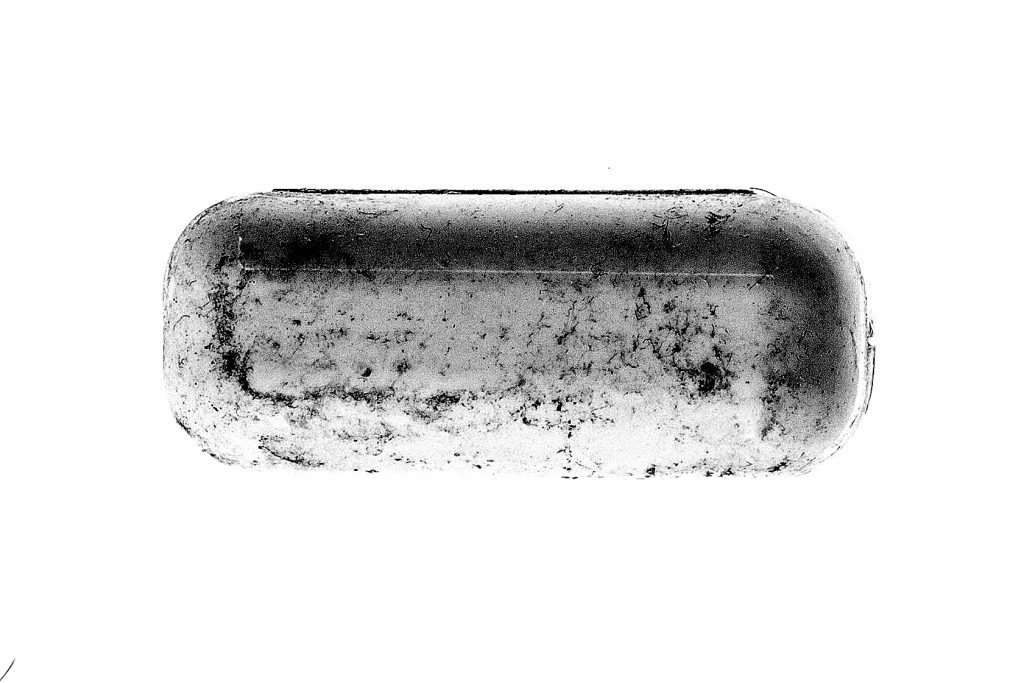
I was interested in what became visible, but also what became obscured, at each stage of observation/transformation, listed below:
- Observing the objects with the naked eye
- Photographing them through a macro lens
- Editing the RAW files
- Converting the images to black and white
- Adjusting levels in Photoshop
- Inverting the images
Each stage allowed for new ways of seeing the same material. Converting the images to black and white, for example, foregrounded textures, patterns and tonal differences, whilst removing colour information that might offer clues about the age of the residue. Similarly, adjusting levels involved negotiating between shadows, highlights and midtones, bringing certain details into focus at the expense of others. Hence, taking and editing these photographs, is inseparable from a series of interpretive decisions about what deserved attention. My choices, conscious or otherwise, shaped what could be seen and what remained obscured. This prompts me to question the partiality of photography as a mode of documentation, and to consider my own role as the photographer, observer, and investigation in constructing these representations.
In last week’s blog post, I referenced Avery Gordon’s Ghostly Matters (2008). Her work continues to inform my thinking about this project in two connected ways:
- Gordon’s attention to how what is absent can continue to exert a presence, resonates with how I understand the temporal dimensions of these objects, and I am specifically looking at how photography brings out this temporality. My experiments with photography allowed for, dirt, residue and grime, i.e material traces of the passage and accumulation of time, to become more apparent, bringing out what was unavailable to the naked eye. In this sense, editing made evidence of the objects’ histories visible, making it possible to see how the past continues to assert itself in the present.
- Her work also encourages me to consider how these abandoned objects might offer ways of knowing and interrogating the domestic histories of those who previously lived in the flat.
This second line of enquiry led me to interview my flatmates.
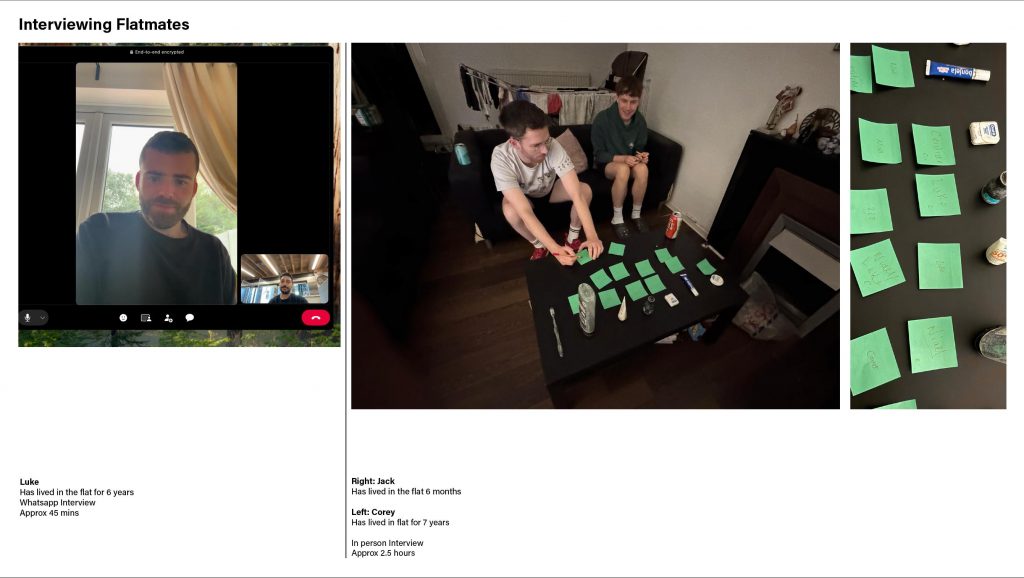
I interviewed my flatmates using the abandoned bathroom objects, initially as prompts for remembering the people who had previously lived in the flat. We began with an exercise, using sticky notes to guess each object might have belonged to. These associations drew on recollections of former residents domestic lives, habits, and routines.
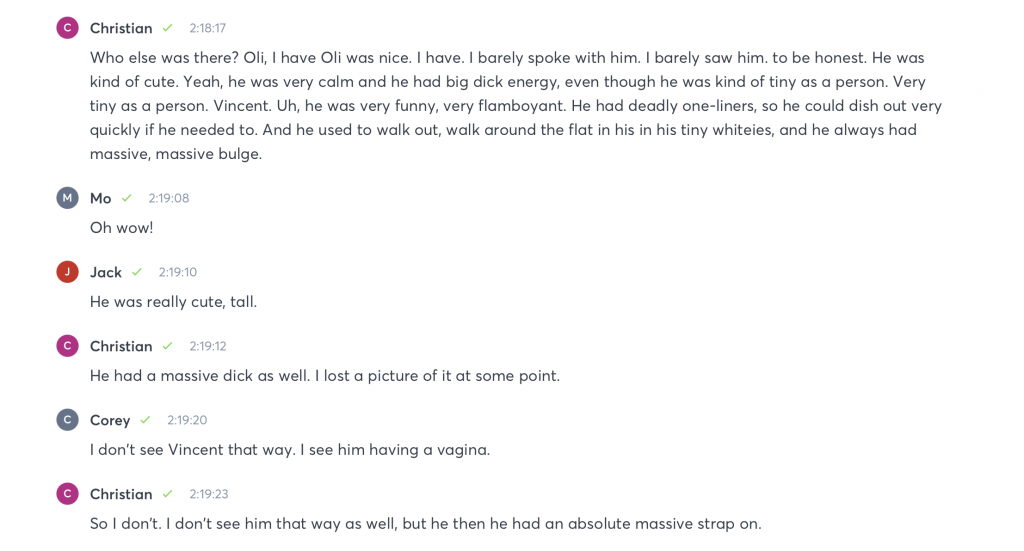
The scope of these conversation soon opened broader than merely identifying ownership. Memories prompted one another, unfolding into stories about former flatmates, their relationships, eccentricities and the pleasures and difficulties of sharing a home. Remembering became a collective process, shaped by speculation, disagreement, in-jokes, with the participants collaboratively building on each other’s accounts.
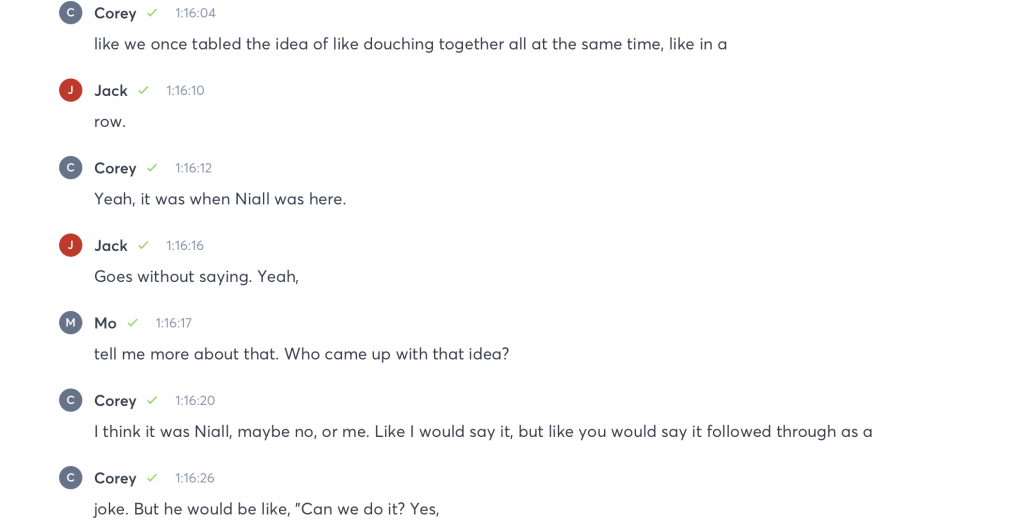

Think about both photography, and my interviews, in tandem:
a)They both brought aspects of the past into the present. Whilst photographic editing made accumulated material traces more visible, the interview brought private memories into present common knowledge.
b) They are both encapsulated by the word “filth” – the literal dirt and grime of the objects found, and the bodily, sexually explicit and off-colour stories emerging out of the interviews. This idea of bodily pleasure being an avenue for opening up history resonates with Elizabeth Freeman’s (2010) concept of erotohistoriography, referenced in last week’s blog post.
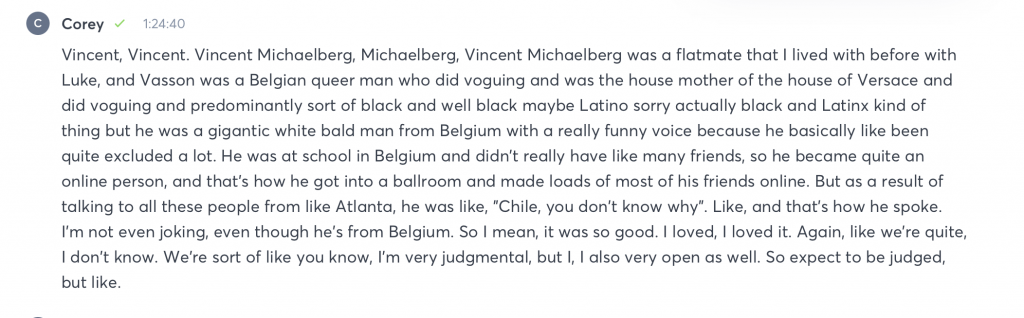
Feedback from tutorial:
Feedback from my tutorial saw strength both in the photographs and the interview transcripts. We discussed how a publication might be a good way to collate both my photography work and my interview transcripts. Max Colson suggested I look at “The Medium is the Massage: An Inventory of Effects” by Marshall McLuhan because of its experimental and innovative use of imagery juxtaposed with text.
References:
Freeman, E. (2010) Time binds: Queer temporalities, queer histories. Durham, NC: Duke University Press.
Gordon, A.F. (2008) Ghostly matters: Haunting and the sociological imagination. 2nd edn. Minneapolis: University of Minnesota Press.
Leave a Reply